
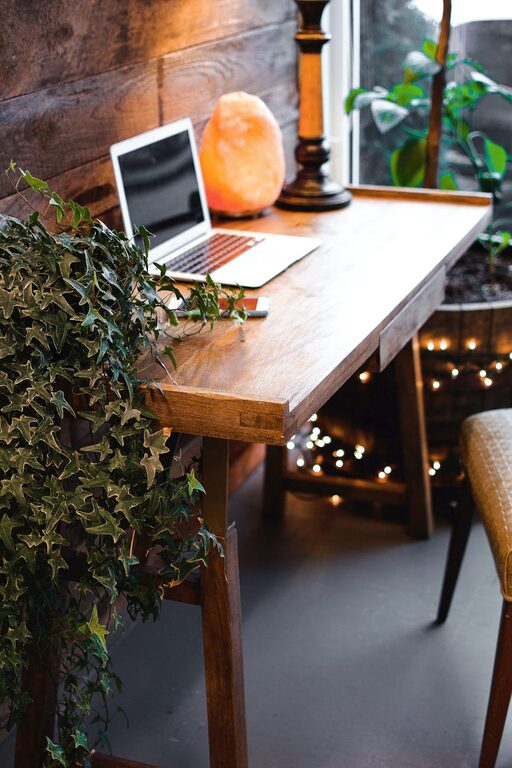
Creating a cozy and inviting home office is more important than ever. Whether you work remotely, freelance, or need a dedicated space for personal projects, having a pleasant work area can improve focus and make work feel less like a chore. Here are some practical tips to help you design a home office that’s both functional and comfortable.
Choose the Right Location
Start by picking a spot in your home that feels peaceful and has minimal distractions. Ideally, this space should have enough room for your desk and chair without feeling cramped.
– Natural light: Work near a window if possible. Daylight boosts mood and energy.
– Quiet area: Avoid high-traffic zones to reduce noise interruptions.
– Adequate ventilation: Fresh air helps keep you alert and comfortable.
Invest in Comfortable Furniture
Comfort is key to staying productive and avoiding physical discomfort.
– Ergonomic chair: Choose a chair that supports your back and encourages good posture.
– Adjustable desk: Consider a desk with adjustable height to switch between sitting and standing.
– Proper desk size: Make sure your desk surface is large enough for your computer, paperwork, and other essentials.
Personalize Your Space
Making your office uniquely yours can increase motivation and enjoyment.
– Add artwork or photos: Choose images that inspire you or bring pleasant memories.
– Include plants: Greenery improves air quality and adds a calming touch.
– Use favorite colors: Incorporate colors that make you feel happy and relaxed, through paint, décor, or accessories.
Organize Efficiently
A tidy workspace prevents distractions and helps you find what you need quickly.
– Storage solutions: Use shelves, drawers, and filing cabinets to keep things organized.
– Declutter regularly: Remove unnecessary items to maintain clear surfaces.
– Desk organizers: Keep pens, papers, and gadgets neatly arranged.
Optimize Lighting
Proper lighting reduces eye strain and creates a welcoming atmosphere.
– Layer your lighting: Combine overhead lights with task lighting (like a desk lamp).
– Adjust brightness: Use dimmable bulbs if possible for flexibility.
– Avoid glare: Position your monitor perpendicular to windows to reduce reflections.
Incorporate Comfortable Textiles
Soft textures add warmth and make the space inviting.
– Rugs: A plush rug can enhance comfort and define the office area.
– Throws and cushions: Keep a throw blanket or cushions nearby for extra coziness during breaks.
– Curtains or blinds: Choose window coverings that soften the light and add style.
Manage Noise Levels
Working peacefully enhances your focus and reduces stress.
– Soundproofing: Add thick curtains, carpets, or acoustic panels to dampen noise.
– White noise machines: These can help mask distracting background sounds.
– Headphones: Noise-canceling headphones are useful if you can’t control ambient noise.
Keep Technology User-Friendly
Tech tools should simplify your work, not complicate it.
– Keep cables tidy: Use cable organizers or clips to avoid a tangled mess.
– Reliable internet connection: Ensure your Wi-Fi router is strong in your office space.
– Ergonomic accessories: Invest in a wireless mouse, keyboard, or monitor stand to enhance comfort.
Make Time for Break Areas
If your space allows, create a small nook to relax briefly.
– Comfortable chair or beanbag: For brief mental breaks or reading.
– Small table: To enjoy a cup of coffee without leaving the room.
– Inspiring items: Books, magazines, or a vision board can provide quick motivation boosts.
Final Thoughts
Creating a cozy and inviting home office is not only about aesthetics but also about enhancing your well-being and productivity. Investing time and care into choosing the right furniture, lighting, and accessories can transform your workspace into a place where you enjoy spending time. Remember to keep things personalized and organized—this combination will help you feel motivated and comfortable every workday.