
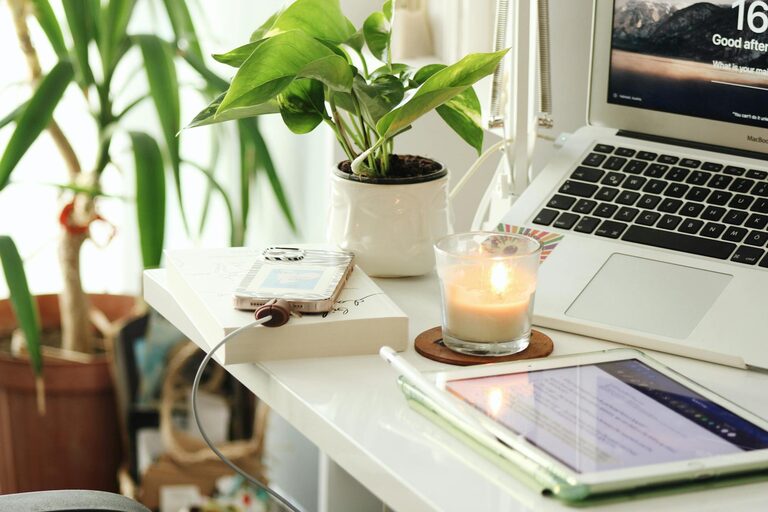
Creating a home workspace that feels both cozy and productive can transform the way you work from home. Whether you’re tackling daily tasks, attending virtual meetings, or brainstorming creative projects, the right environment significantly impacts your focus and comfort. This guide provides practical tips on designing a home office space that encourages efficiency without sacrificing warmth and relaxation.
Why a Cozy and Productive Workspace Matters
Your workspace affects your mood, concentration, and overall work quality. A cluttered, uncomfortable space can lead to distractions and fatigue, while a well-designed area helps in maintaining motivation and creativity. By blending coziness with functionality, you can create a space that makes work feel less like a chore and more like an enjoyable, inspiring experience.
Choosing the Right Location
Consider Natural Light
Place your desk near a window if possible. Natural light boosts mood and energy while reducing eye strain caused by artificial lighting. If direct sunlight creates glare, use sheer curtains to soften it.
Minimize Distractions
Select a quiet corner or room where interruptions are minimal. If separate rooms aren’t available, use room dividers or noise-canceling headphones to create a focused zone.
Think About Ventilation and Temperature
A well-ventilated area with good airflow enhances comfort and cognitive function. Ensure the space is neither too hot nor too cold to keep distractions at bay.
Furnishing for Comfort and Function
Invest in a Good Chair
An ergonomic chair with adjustable features supports posture and reduces fatigue. Look for options with lumbar support and comfortable cushioning.
Choose a Desk That Fits Your Needs
Opt for a desk size that suits your work style — whether you need space for multiple monitors, writing, or crafts. Standing desks or adjustable desks offer flexibility and promote movement.
Organize Storage Efficiently
Use shelves, drawers, and organizers to keep supplies within reach but tidy. Clutter-free surfaces help maintain focus and reduce stress.
Enhancing Aesthetics and Atmosphere
Add Personal Touches
Incorporate items like plants, artwork, or meaningful decor that inspire and make the space inviting. Choose calming colors such as soft blues, greens, or neutrals that promote relaxation.
Use Soft Textures
Include cushions, rugs, or cozy throws to add warmth and comfort especially if you spend many hours seated.
Manage Lighting Wisely
Combine ambient lighting with task lights. Adjustable desk lamps help reduce eye strain during focused work while softer lights create a welcoming atmosphere.
Incorporating Productivity Tools
Keep Technology Streamlined
Arrange cables neatly and use docking stations or wireless devices to keep the workspace clean. Reliable internet and necessary hardware are essential for smooth workflow.
Use Planners and Whiteboards
Physical planners or calendars help track deadlines visually. Whiteboards can be great for brainstorming or outlining daily to-dos.
Set Up Zones if Possible
If space allows, designate specific areas for different activities—like a reading nook separate from your computer setup—to help transition between tasks.
Maintaining Balance and Routine
Establish Work Hours
Define clear start and finish times to create boundaries between work and personal life, reducing burnout.
Schedule Breaks
Short breaks for stretching, walking, or relaxing eyes improve productivity and well-being.
Keep the Space Clean
Spend a few minutes each day tidying your workspace. A neat area refreshes your mind and prepares you for the next session.
Final Thoughts
Designing a home workspace that combines coziness and productivity isn’t just about aesthetics or comfort — it’s about creating an environment where you feel motivated, supported, and able to do your best work. By paying attention to lighting, furniture, organization, and personal touches, you can build a home office that feels just right for you. Remember, the ideal workspace is one that adapts to your needs and helps you thrive in your daily tasks.